The short version: Commercial pest control is a documented program, not a monthly spray. A local commercial provider surveys your facility, identifies its pest risks, installs monitoring, treats with methods appropriate to a working business, and leaves you the paperwork — service reports, pest logs, device maps — that health inspectors and auditors actually ask for. When you call through PestReach USA, tell us your business type and any audit or inspection regime you answer to, and we connect you with an independent local provider who runs commercial programs for facilities like yours.
Why commercial pest control is a different discipline
A pest in a home is a nuisance; in a business it is a liability. A single cockroach photographed in a restaurant review, a mouse in a warehouse audit, or bed bugs in a hotel room can cost more in reputation, refunds, failed audits and regulatory action than years of service. Commercial programs therefore run on integrated pest management with documentation at the centre: inspect first, monitor constantly, treat precisely, and record everything so the facility can prove diligence to health departments, corporate QA and third-party auditors.
The work also respects operations. Treatments are timed around trading hours, chosen for low odour and low disruption, and aimed at the zones auditors scrutinise — food storage, waste areas, loading docks, drains, and the building envelope where rodents probe. Technicians in commercial settings are as much inspectors and consultants as applicators: the corrective-action list they leave (a door sweep here, a drain regime there, stock rotation in a dry store) is where most of the long-term risk reduction actually happens.
Industries and their signature pest risks
Each sector fails differently. Restaurants live or die on German cockroaches, rodents and small flies breeding in drains and floor voids. Hotels need a bed bug protocol — staff training, fast room response, documentation per incident — more than they need raw treatment volume. Warehouses fight rodents at dock doors and birds roosting in racking, plus stored-product moths and beetles in anything edible or organic. Multi-unit housing is a coordination problem: pests move between units, so the program has to work at building level with management, not unit by unit in isolation. A provider who opens with 'what do you make, store or serve here' understands the assignment; one who quotes a flat monthly spray sight-unseen does not.
- Restaurants and food service: cockroaches, rodents, drain and fruit flies
- Hotels and lodging: bed bugs first, then rodents and cockroaches
- Warehouses and logistics: rodents, stored-product pests, birds at docks
- Food processing and storage: audit-grade monitoring and exclusion
- Offices and retail: rodents, occasional invaders, washroom flies
- Multi-unit housing: bed bugs, German cockroaches, mice — unit to unit
- Healthcare and care homes: ants (including pharaoh ants), bed bugs, flies
How a commercial program is structured
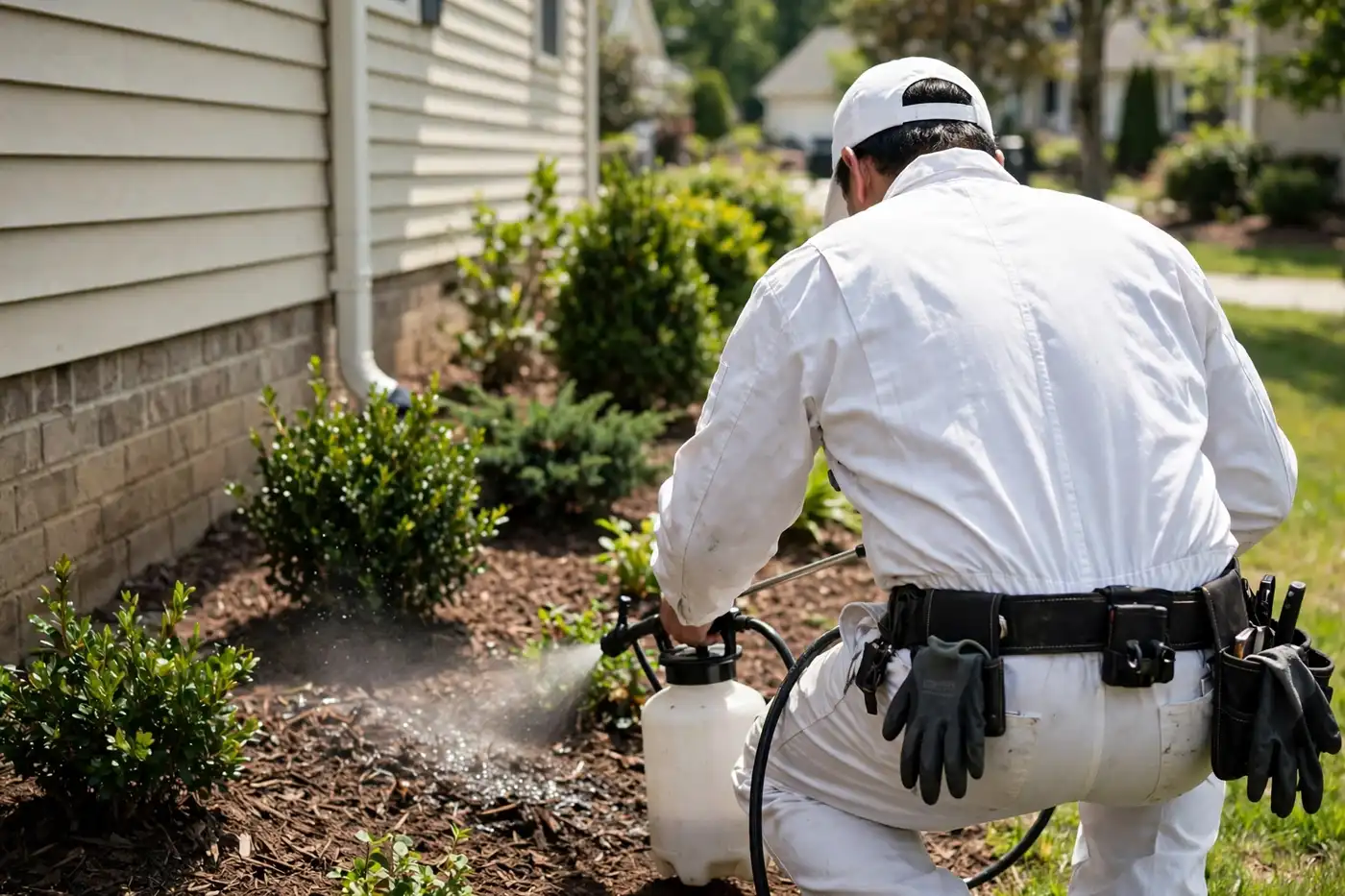
The survey sets the baseline: construction, drainage, waste flow, deliveries, neighbouring risks, and any regulatory standard the site must meet. Monitoring devices go in mapped positions — tamper-resistant rodent stations around the perimeter and at doors, insect light traps positioned per food-safety rules (away from exposed food, where they intercept rather than attract), pheromone traps for stored-product pests in relevant stores. Service visits check and record every device, treat active findings with methods appropriate to the area, and update the facility's documentation binder or digital portal.
Over time the trend data becomes the management tool: rising catches at one dock door point to a door-seal failure; drain fly counts track back to a specific drain's cleaning regime. Good providers review trends with site managers periodically and tighten or relax service accordingly — that review meeting is a hallmark of a real program. Certificates, licences, insurance and product documentation stay current in the file, because an auditor will ask for them on the worst possible day.
- Initial survey: facility, risks, compliance regime, problem history
- Monitoring network: rodent stations, insect monitors, fly units where needed
- Scheduled service at a frequency matched to risk and audits
- Documented reporting: findings, treatments, corrective actions
- Trend review: what the monitors say over time, and programme adjustments
- Sighting log on site so staff reports are captured between visits
Bed bugs, birds and the specialist add-ons
Some commercial risks sit outside the core program and run as their own services. Bed bug response for hotels and housing is a protocol business: inspection (sometimes with detection dogs), treatment of affected and adjacent units, staff training on early signs, and per-incident documentation that protects the operator. Bird work — pigeons and starlings at docks, signage and rooflines — is exclusion engineering: netting, spikes, wire systems and sanitation, designed to be effective and humane and to survive an auditor's and the public's scrutiny. Wildlife at commercial sites, mosquito programs for outdoor venues, and termite protection for the structure itself are scoped similarly: separate risks, separate methods, one accountable provider managing the whole picture.
If your business answers to a named audit standard, say so when you call. The difference between a generic service and an audit-ready program is mostly documentation discipline and device management, and it needs to be in place before the auditor arrives — not reconstructed in a panic afterwards.
Getting a commercial program started
Start with the survey. Describe your facility type, square footage, operating hours, any audit regime (health department, corporate QA, AIB/BRC/SQF or similar), current pest issues and what documentation you need, and a commercial provider will walk the site and return a written program: devices, frequency, reporting format, responsibilities on both sides, and the corrective actions your team owns. Ask how sightings between visits are reported and how fast response visits happen — in commercial settings, the response protocol matters as much as the routine schedule.
Through PestReach USA we connect businesses with independent local providers who run documented commercial programs. You deal directly with the provider on contract and service; we make the introduction to the right kind of specialist for your sector, whether that is a single restaurant, a hotel, a warehouse or a portfolio of rental properties.
A closer look: inside a commercial inspection
A commercial inspection reads a facility the way an auditor will. It starts outside: the perimeter for rodent harbourage and burrow pressure, the dock doors and their seals, the waste area and how it is cleaned, the roof line for bird roosting and the drainage for standing water. It moves inside along the flow of goods — receiving, storage, preparation, service — because pests travel that flow too, arriving in deliveries and establishing where warmth, water and food residue collect. Drains are opened or probed, because small-fly breeding in a single neglected drain can fail a food business's inspection on its own.
What distinguishes the work is the recording. Every monitoring device is numbered, mapped and checked on schedule, and the findings are written as trends, not anecdotes: rodent activity at the rear dock up this quarter, stored-product moth counts in one store room, fly units telling a story about a door left propped open. Corrective actions are assigned with the same formality — this door sweep by the facility, that harbourage treatment by the provider — and the file stays audit-ready, because in commercial pest management the documentation is not the paperwork after the service; on inspection day, it is the service.
The commercial relationship also changes the questions a business should ask. Response time for an out-of-hours finding, how a bed bug incident in a hotel room is documented and contained, what the trend report will look like at the quarterly review, whether the provider's insurance and licences are current in the file — these are the substance of the contract, more than the per-visit figure. A provider who welcomes those questions is telling you how they will perform when an auditor asks harder ones.
How a commercial pest control request is handled
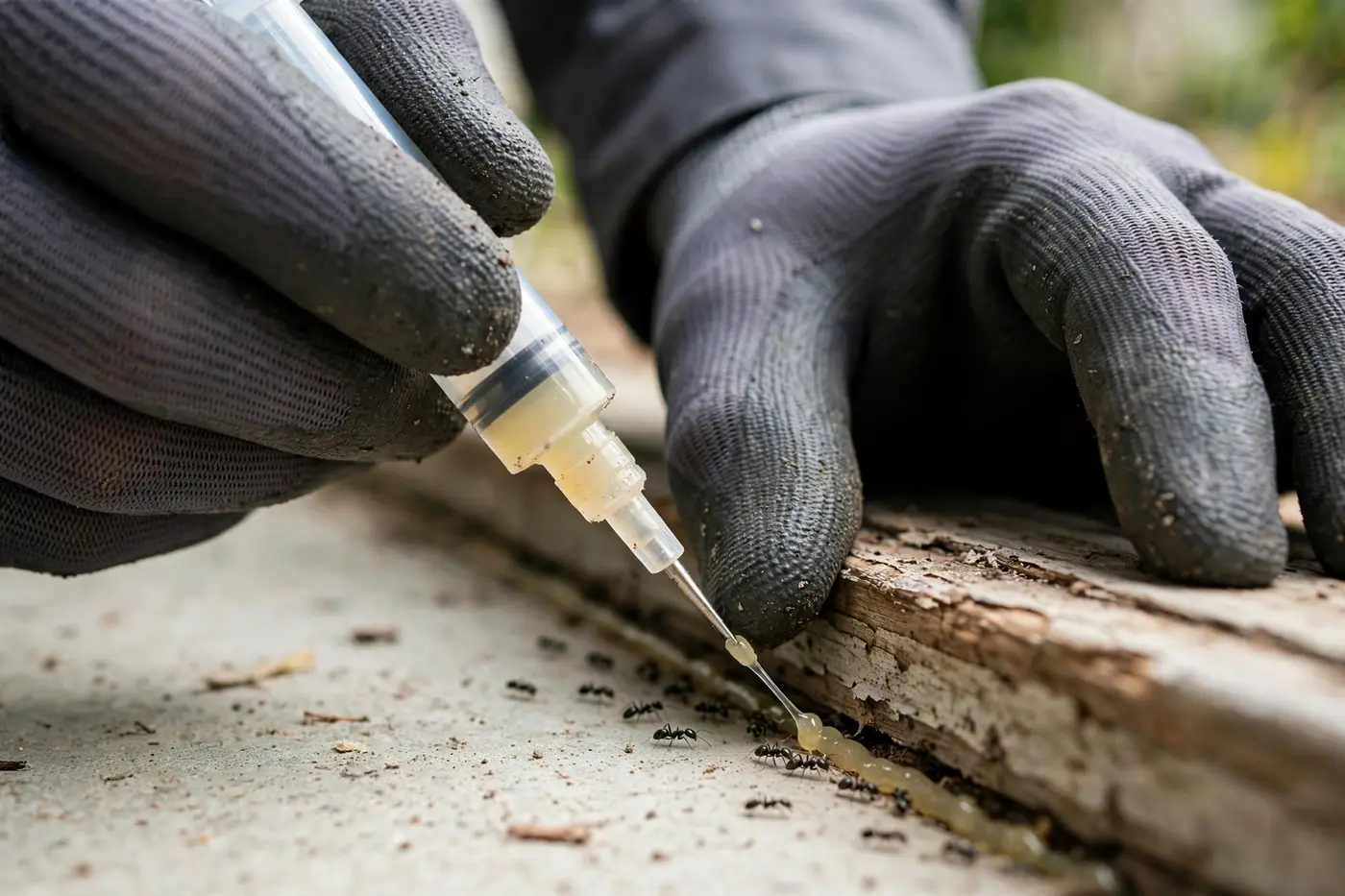
When you call PestReach USA about commercial pest control, the call is routed to an independent local provider who does this work in your area. Three things speed everything up: where the activity is, when it started, and what you have already tried. On urgency: commercial enquiries should name the business type and any audit regime; a pest finding ahead of an inspection is worth flagging as urgent. The provider arranges the inspection directly with you, explains the plan and their terms before any work, and confirms their licence and insurance on request. PestReach USA does not set the provider's prices or schedule — but a problem described precisely reaches the right specialist first time, and that is worth more than any other shortcut.
One more thing worth knowing before you call: you do not need to have identified the pest yourself, and you do not need to have prepared anything beyond safe access to the area. Identification is the provider's first job, and preparation instructions — where any are needed — come from them, specific to the method they will use at your property. If you have photographs or notes about when the activity is worst, mention them; they help the inspector start in the right place.