The short version: Rodent control is about three things: removing the rats or mice already inside, sealing the holes they used to get in, and taking away the food, water and shelter that invited them. Snap trapping inside, tamper-resistant control outside where it is warranted, and proper exclusion work with metal and sealant are the professional standard — poison alone is not a plan. When you call through PestReach USA, we connect you with an independent local provider who will inspect the whole structure — roof line to foundation — because an unsealed entry point left behind is a problem scheduled to return.
The three rodents that get into American homes
The house mouse is the most common indoor rodent in the country. Small and curious, it can squeeze through a gap the width of a pencil, nests within a short distance of food — inside wall voids, behind appliances, in stored boxes — and breeds fast enough that a pair in autumn can be a real population by winter. Mice are year-round residents once inside, travelling familiar routes along walls and leaving droppings the size of rice grains as they go.
Rats are a bigger undertaking. Norway rats are heavy-bodied burrowers that live at ground level — under slabs, in crawlspaces, along foundations and in sewers — and push into basements and ground floors. Roof rats are climbers, lighter and agile, entering at the roof line and living in attics, wall tops and dense vegetation; they dominate in the South, along the coasts and in the Southwest's palm and citrus country. In some regions, deer mice and other field mice enter rural and suburban homes, particularly in fall. Species identification drives everything: where traps go, what entries matter, and whether the problem is a ground problem or a roof problem.
Signs of a rodent problem
Most people hear rodents before they see them — scratching and scurrying in the ceiling or walls at night is the classic first sign. Droppings confirm it: mouse droppings are small and pointed, rat droppings are capsule-shaped and up to three-quarters of an inch for Norway rats. Grease marks along travel routes, gnawed packaging in the pantry, shredded insulation or paper gathered into a nest, and burrows with fresh soil at the foundation all tell the same story, and their locations tell an inspector where the animals are living and feeding.
A note on attics: by the time signs reach the living space, an attic infestation may be well established, with contaminated insulation and gnawed wiring along the way. Rodents gnaw constantly to wear down ever-growing incisors, and wiring is a favoured target — damaged electrical insulation is a genuine fire hazard, which moves rodent control from a nuisance issue to a safety one. Any inspection that finds gnawed wiring should prompt both exclusion and an electrician's look at the damage.
- Droppings in cabinets, drawers, pantries, attics or along walls
- Scratching, scurrying or gnawing sounds in walls or ceilings at night
- Gnaw marks on food packaging, wood, wiring or stored items
- Greasy rub marks along baseboards, beams and entry holes
- Nests of shredded paper, fabric or insulation in hidden corners
- Burrows along the foundation or under sheds and decks
- A stale, musky odour in enclosed spaces
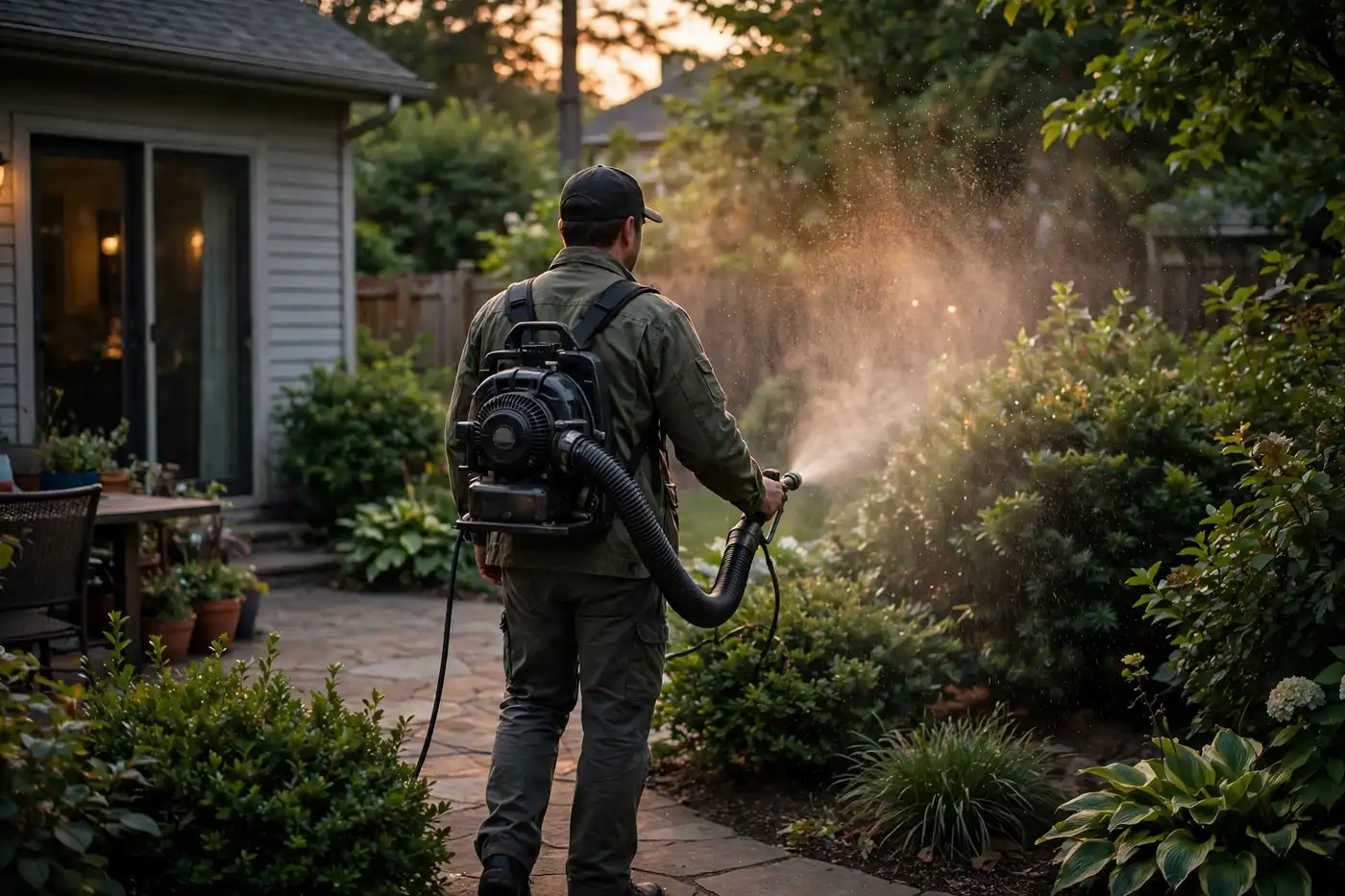
How professional rodent control works
The inspection is the core of the service. A technician maps entry points — roof returns, eave gaps, vent openings, pipe chases, garage door corners, weep holes, foundation cracks — and signs of activity by area, then builds the plan from that map. Interior populations are removed primarily with traps placed along walls, runways and entry routes, checked and adjusted across follow-up visits until activity stops. In attics and crawlspaces, trapping is combined with monitoring so the provider can say with evidence, not optimism, when the space is clear.
Exclusion is what makes the result hold. Openings are sealed with materials rodents cannot chew through — copper or steel mesh, metal flashing, concrete and quality sealants — vents are screened, and door sweeps are fitted where gaps exist under doors. A mouse needs six millimetres; a sealing job that leaves pencil-width gaps is decoration, not exclusion. Where exterior pressure is continuous — restaurants, farms, properties backing onto fields or water — tamper-resistant bait stations around the perimeter, serviced on a schedule, intercept rodents before they test the building.
- Full-structure inspection: entry points, activity areas, species
- Trapping program inside with placement along real travel routes
- Exclusion: seal entries with metal, mesh, sealant and door sweeps
- Tamper-resistant exterior stations where warranted
- Sanitation and habitat corrections around the structure
Why sealing and sanitation matter more than poison
Poison answers the question 'how do I kill these rodents' and ignores the questions that decide the future: how did they get in, and why did this building suit them? Buildings attract rodents with food (pet food left out, bird seed, unsecured garbage, fallen fruit), water (leaks, irrigation, pet bowls) and shelter (woodpiles against walls, dense ivy, cluttered storage, untrimmed vegetation touching the roof). Remove the invitations and seal the doors, and most homes stop being interesting to rodents at all.
This is also why professional programs report and advise, not just treat: the inspection findings — a broken vent screen, a gap at the garage, fruit dropping uncollected from a backyard tree — are the permanent fixes, many of them free. Where full exclusion is impractical, an ongoing service with monitoring stations and scheduled inspections is the honest structure, and a good provider will say so rather than selling a one-time cure.
Preventing the next infestation
Rodent pressure peaks in autumn, when cooling weather drives mice and rats toward warm structures, and after storms and construction disturb established harborage. A yearly walk-around — checking vents, screens, door sweeps and the roof line, and re-checking old seal points — catches the small new gaps before something finds them. Inside, sealed food storage and prompt cleanup of spills and pet food remove the reward for exploratory rodents.
If you are hearing noises now, do not wait for the problem to declare itself more clearly. Rodent populations grow, contamination spreads, and the repair bill for gnawed wiring or ruined insulation grows with them. An inspection costs little compared to the damage, and through PestReach USA we can connect you with a local provider who will give you a direct read on what is in the structure, how it got in, and what it takes to close the building to it for good.
- Store food and pet food in hard, sealed containers
- Fix leaks and remove standing water sources
- Keep vegetation trimmed off the house and roof line
- Store firewood away from walls and off the ground
- Clear clutter from attics, garages and storage areas
- Inspect after storms and seasonal changes for new gaps
A closer look: exclusion materials, and why they matter
Exclusion is carpentry with an enemy in mind. A mouse compresses through a gap of about six millimetres; a rat gnaws through anything softer than its teeth — which includes wood, plastic, foam and cheap sealant. This is why professional sealing is a materials list before it is a work list: copper or stainless mesh packed into voids, hardware cloth over vents, metal flashing and kick plates at door corners, concrete and mortar at foundation breaches, and sealant used as a finish over a metal backbone rather than as the barrier itself. Expanding foam alone is a temporary plug that rodents treat as a mild inconvenience; foam over mesh is a wall.
The inspection that precedes the work is measured in openings, not impressions. Roof returns where the soffit meets the shingles, the gap at the garage door's bottom corners, weep holes without inserts, the unsealed chase where the air-conditioning lines enter, vent stacks without caps — a thorough exclusion survey of an average house finds a dozen candidate entries, and the craft is in ranking them by the evidence around each: droppings, rub marks, gnawing, daylight visible from inside the attic. Sealing a hole nothing uses while missing the active one by three feet is the classic partial job.
After the sealing comes the proofing period: monitoring and traps checked on schedule, with any new activity treated as a report on the exclusion — a missed gap announcing its location. This is the phase that separates a completed job from a hopeful one, and providers build it into the programme rather than leaving the homeowner to discover the miss at 2 a.m. through the ceiling.
How a rodent control request is handled
When you call PestReach USA about rodent control, the call is routed to an independent local provider who does this work in your area. Three things speed everything up: where the activity is, when it started, and what you have already tried. On urgency: rodents in living space, and any sign of gnawed wiring, move a call up the queue — tell us exactly what you are hearing and where. The provider arranges the inspection directly with you, explains the plan and their terms before any work, and confirms their licence and insurance on request. PestReach USA does not set the provider's prices or schedule — but a problem described precisely reaches the right specialist first time, and that is worth more than any other shortcut.
One more thing worth knowing before you call: you do not need to have identified the pest yourself, and you do not need to have prepared anything beyond safe access to the area. Identification is the provider's first job, and preparation instructions — where any are needed — come from them, specific to the method they will use at your property. If you have photographs or notes about when the activity is worst, mention them; they help the inspector start in the right place.