The short version: Flea and tick problems are won or lost on biology. For fleas, the biting adults on your pet are only the visible tip — the infestation lives in carpets, bedding and shaded yard soil as eggs, larvae and pupae, so control means treating pet, home and yard together across the whole life cycle. For ticks, control means treating the shaded yard edges where ticks wait, and changing the habitat that shelters them. When you call through PestReach USA, we connect you with an independent local licensed provider who will build the plan around your pets, your yard and your region's tick species.
The flea life cycle is the whole problem
A female flea lays dozens of eggs a day on the host; the eggs are smooth and fall off wherever the pet walks, sleeps and shakes — which is to say, into the carpets, sofa seams, floor cracks and bedding where the pet spends time. Larvae hatch and burrow away from light, feeding on organic debris including adult flea droppings, then spin cocoons and pupate. The cocoon is sticky, camouflaged and resistant to insecticides; inside it, a flea can wait weeks to months for the signals of a passing host. This stage is why flea problems 'come back from the dead' after treatment, and why the calendar of a flea program is measured in weeks.
Everything in an effective program follows from that cycle. Vacuuming is a genuine control tool: it physically removes eggs and larvae and vibrates pupae into hatching while a host (and treatment) is present. Insect growth regulators applied to carpets and floors do not kill adults outright but stop eggs and larvae from developing, quietly collapsing the next generation. Adulticides on the pet — modern oral and topical products from your veterinarian — turn the animal into a trap for newly emerged adults before they can lay eggs. Yard treatment targets the shaded, humid areas where pets rest, because larvae do not survive sun-baked open lawn. Leave out any leg of that stool and the cycle continues.
Ticks: a yard-edge problem with regional species
Ticks do not drop from trees and do not live in open sunny lawn; they quest at the edges — perched on grass tips and leaf litter at the border of woods, brush and ground cover, waiting to grab a passing host. Their seasons are regional: blacklegged tick nymphs peak in late spring and early summer in the Northeast and upper Midwest, lone star ticks are active spring through fall in the Southeast and mid-Atlantic, and southern ticks can be a nearly year-round issue. Knowing your local species and its peak months focuses both yard treatment and family habits on the weeks that matter most.
For homes, the practical frame is the 'tick zone': the shaded few feet where lawn meets woods, under decks, along stone walls and woodpiles, and in leaf-littered beds. Treatment concentrates there — sometimes supplemented by tick tubes (treated nesting material that mice carry back, targeting ticks where they feed on rodents) in deer-tick country. Open lawn in full sun is naturally hostile to ticks, which is why habitat changes at the edge accomplish so much.
- Blacklegged (deer) tick — Northeast, Great Lakes, upper Midwest; Lyme disease
- Lone star tick — Southeast, mid-Atlantic, expanding; aggressive biter
- American dog tick — nationwide in grassy areas and field edges
- Brown dog tick — warm regions; the indoor and kennel tick
- Gulf Coast and Rocky Mountain wood ticks — regional species with local seasons
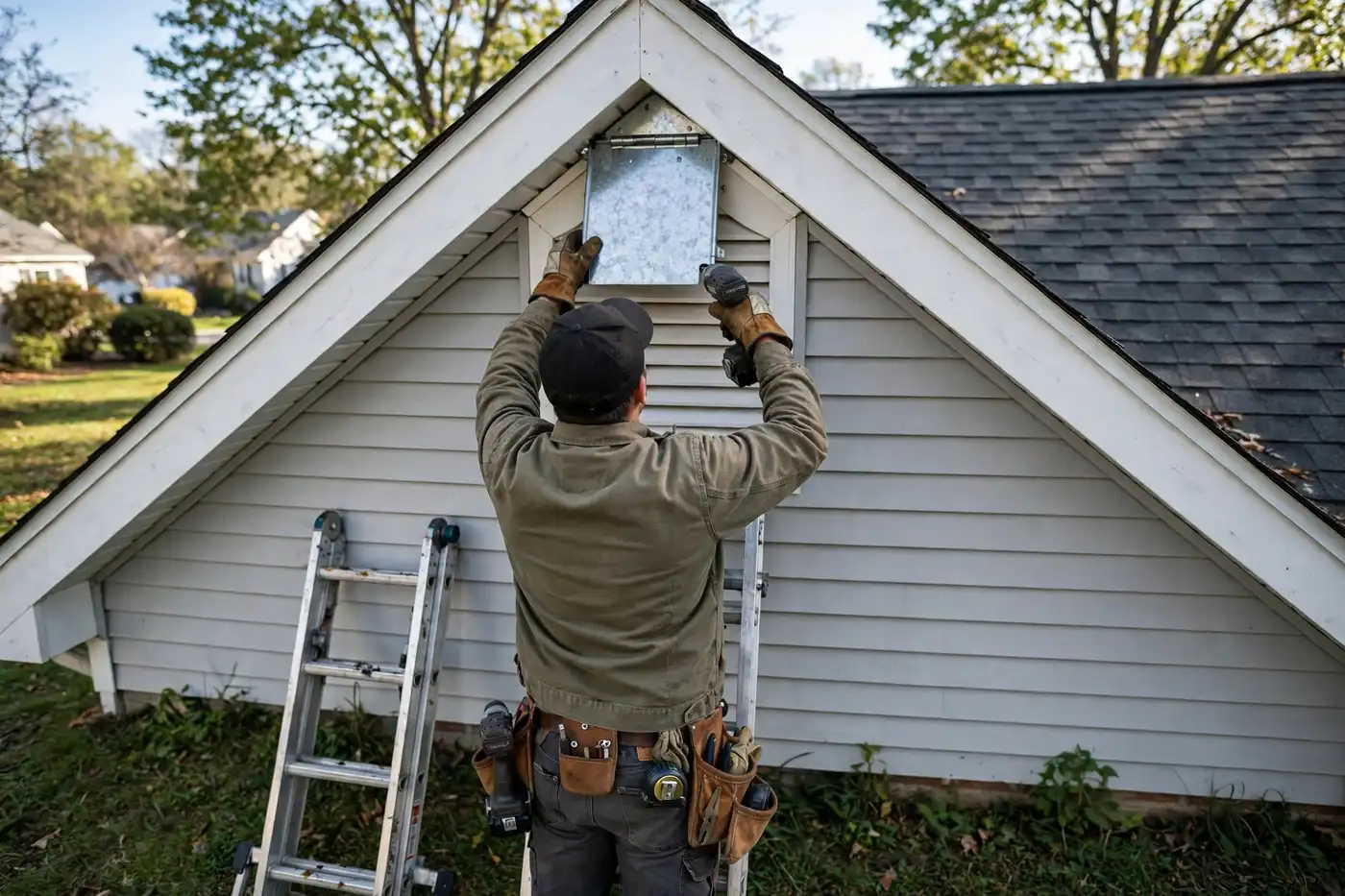
What a professional flea and tick service involves
For fleas, the provider's visit is built around preparation you have already done — the vacuuming, washing and floor-clearing that exposes the life stages to treatment — and applies adulticide plus growth regulator to the carpets, floor edges, pet resting areas and shaded outdoor spots. You and the pets stay out until surfaces dry. Follow-ups are scheduled against the pupal emergence curve, and your provider will warn you that seeing some fleas in weeks two to four usually means emergence meeting the treatment, not a failed program — while also telling you what would count as an actual problem requiring a plan change.
For ticks, service is a yard treatment of border and shade zones, typically repeated at intervals through the season, paired with the habitat list. Homes surrounded by woods or hosting deer traffic are managed properties, not one-visit cures, and the provider should frame it that way from the start.
- Inspection of pet resting areas, carpets and yard microhabitats
- Interior treatment of carpets, floors and pet areas with growth regulators
- Yard treatment of shaded pet zones (fleas) and border zones (ticks)
- Coordination with on-pet treatment the same day
- Follow-up visits spaced to the life cycle, with honest timelines
- Habitat advice: litter removal, woodpile placement, barrier edges
Habitat changes that keep ticks and fleas down
These changes are not decoration around the 'real' treatment — they remove the humid shade both pests require. Flea larvae die in dry, sunlit ground; ticks desiccate in mowed, open, dry borders. A yard reworked this way can cut its baseline pest pressure by an order of magnitude before a drop of product is applied, and it keeps working between visits. Most of the list is a weekend of work, once, plus staying current with litter and mowing.
- Clear leaf litter and brush from yard edges and under decks
- Create a dry wood-chip or gravel border where lawn meets woods
- Move woodpiles away from the house and keep them dry and stacked
- Mow regularly; keep grass and ground cover from staying damp and overgrown
- Vacuum pet areas frequently; wash pet bedding in hot water regularly
- Fence or discourage deer where feasible — deer move ticks across whole neighbourhoods
When to call
Call when you are finding fleas on pets despite store treatments, when fleas are biting people (a sign the pet-based cycle is spilling over), when a new pet or a move reveals an established flea problem in the home, or when ticks are being found on family members or pets regularly after yard time. Early, coordinated action is weeks shorter than late action, because the pupal bank in the carpet grows with every week of untreated cycling.
Through PestReach USA, describe your pets, your yard and what you have tried; we connect you with a local provider who will coordinate the home, yard and on-pet timing into one plan and set expectations honestly — including the part where the vacuum cleaner is a medical-grade flea tool.
A closer look: the four-week flea curve
Flea programmes fail on expectations more often than on chemistry, and the reason is a curve. In week one, treatment kills the adult fleas present and the growth regulator begins sterilising the next generation — but the pupae already woven into the carpet base do not care about either. In weeks two and three, those pupae hatch in response to the vibration and warmth of a lived-in home, and owners see fleas again — sometimes, briefly, more than before treatment. This is emergence, not failure, and it is exactly why the programme has follow-ups scheduled across it: each hatch meets treated floors and a treated pet, and each week the bank of unhatched pupae shrinks.
Owners accelerate the curve with the least glamorous tool in pest control: the vacuum. Vacuuming removes eggs and larvae from the carpet before they can pupate, and its vibration persuades pupae to hatch now — while treatment is fresh — rather than in a month. Daily vacuuming of pet routes and resting areas during the first fortnight is the single most effective thing a household contributes, and providers who do not ask for it are leaving the best lever unpulled. Washing pet bedding in hot water and keeping the pet's own vet-approved treatment unbroken close the other exits.
By weeks four to six, a well-run programme is counting single fleas, then none. If the curve is not bending — if week four looks like week two — the map is wrong somewhere: an untreated pet-resting spot outdoors, a crawlspace where a stray animal sleeps, a second pet whose treatment lapsed. That diagnostic conversation, driven by the curve, is what you are actually buying with a professional flea programme.
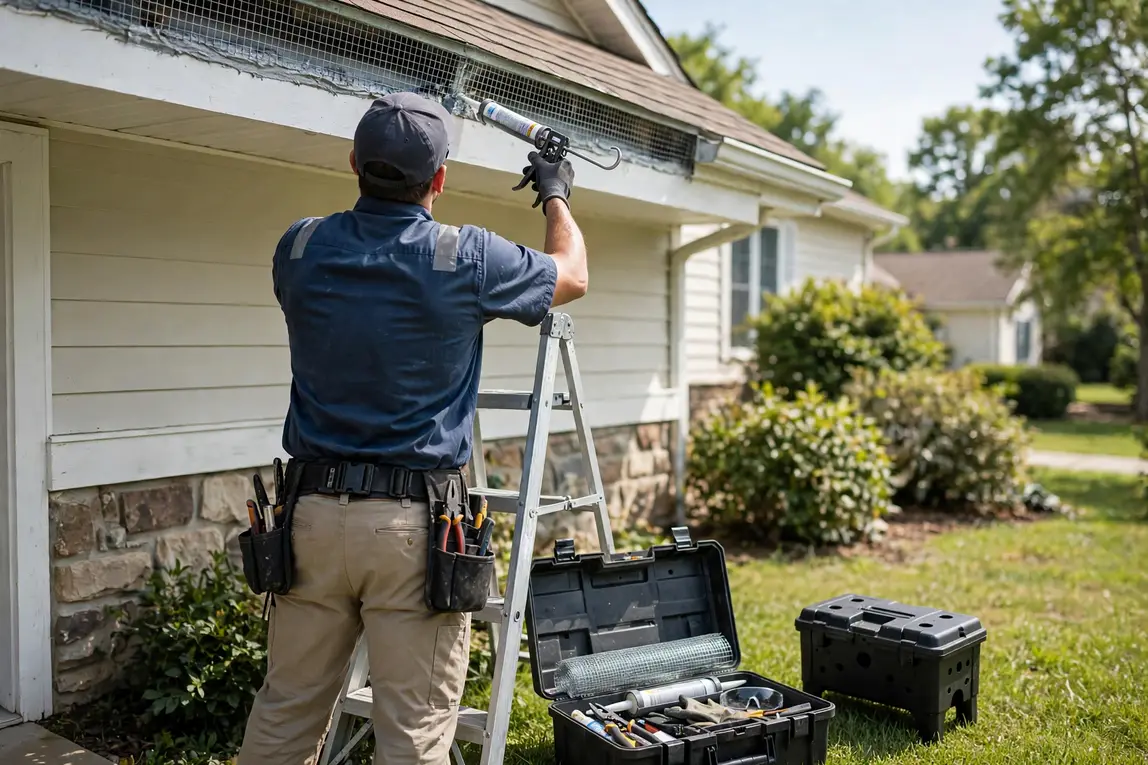
How a flea & tick control request is handled
When you call PestReach USA about flea & tick control, the call is routed to an independent local provider who does this work in your area. Three things speed everything up: where the activity is, when it started, and what you have already tried. On urgency: flea infestations are time-sensitive in a specific way — the programme should start before the next pupal hatch peaks, so do not sit on a finding. The provider arranges the inspection directly with you, explains the plan and their terms before any work, and confirms their licence and insurance on request. PestReach USA does not set the provider's prices or schedule — but a problem described precisely reaches the right specialist first time, and that is worth more than any other shortcut.
One more thing worth knowing before you call: you do not need to have identified the pest yourself, and you do not need to have prepared anything beyond safe access to the area. Identification is the provider's first job, and preparation instructions — where any are needed — come from them, specific to the method they will use at your property. If you have photographs or notes about when the activity is worst, mention them; they help the inspector start in the right place.